
Breaking
An Audit of Frayed Shoelaces and the Weight-Cutting Rotunda
A mid-autumn inspection of the Oklahoma wrestling program reveals a troubling abundance of comfortable seating and lax cardiovascular agony during the bye week.
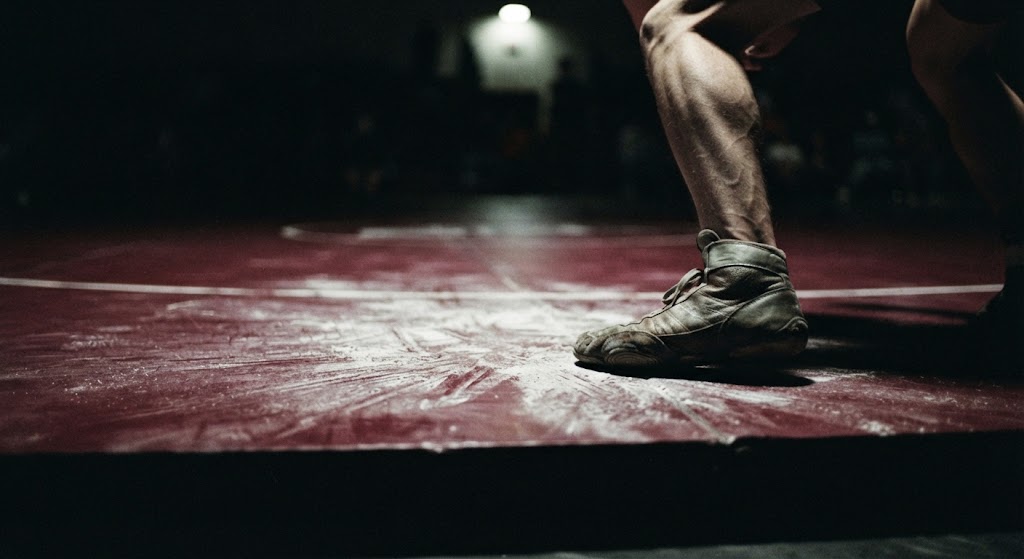
The sun over Norman on this quiet Sunday in October does not beat down with the merciless, soul-cleansing intensity of a three-hour sweat session in a rubber suit, which is perhaps why the campus feels dangerously soft. Across the grounds of the University of Oklahoma, students wander between classes with an unearned, upright posture that suggests they have never once had their forehead ground into an abrasive mat tape surface by an All-American heavyweight desperate to preserve an unblemished top-ten ranking. There is no dual on the slate this week, no immediate collision of bone-dry sinew and collegiate pride scheduled for the evening, yet the atmospheric pressure of the wrestling room should theoretically remain at a suffocating, lung-searing equilibrium regardless of the calendar.
Instead, the town breathes easy, an absolute failure of civic duty. Down on Asp Avenue, the local diners serve carbohydrates without demanding a preliminary three-pound sweat-drop verification on a certified scale, and the student union hums with the offensive luxury of upholstered chairs. A singlet is not a fashion statement or a casual garment to be tossed carelessly into a laundry hamper; it is armor forged in the crucible of absolute leverage and near-fall wristlocks. Yet one observes individuals strolling near the catacombs of the athletic facilities wearing loose-fitting apparel that would never survive the rigorous scrutiny of a referee inspecting for illegal oils or unsecured laces.
We must discuss the band, too. The campus marching unit prepares for its autumn pageantry with cheerful brass horns and untorn ligaments, blissfully unaware of the profound mechanical truths behind a crisp double-leg takedown. They march in formation, step by step, without a single referee stepping in to penalize them for stalling. If half of those trombonists spent forty-eight hours locked in a cinder-block room trying to shed municipal water weight before a weigh-in, the halftime show might actually possess some genuine, mat-burned grit. As it stands, the community treats athletics as entertainment rather than an ancient, sacred combat ritual dictating the geopolitical fate of the universe.
The local radio dial offers little comfort, broadcasting mid-afternoon talk programs that chatter endlessly about trivialities instead of dissecting the finer points of referee hand signals and stalling warnings. One tuning notch over, a faint broadcast from a smaller regional college down the highway echoes into the Oklahoma breeze, boasting about its relaxed practice schedules and soft-mat training philosophies. It is a disgrace. A proper practice room should smell exclusively of floor disinfectant, dried sweat, and quiet desperation. When the first whistle finally blows for the next real contest on the schedule, many of these casual observers will wonder why the air feels so thin, why the pace is so unforgiving, and why their favorite grapplers are pressing forward with the relentless, unyielding cardiovascular agony of men who treat every single period as their final hour on earth. Until then, the campus remains dangerously comfortable, and we must watch every shoelace with suspicion.